
Purchasing a new vehicle often comes with sticker shock—not just from the car’s price tag, but from the hefty sales tax bill that follows. Some buyers attempt to sidestep these taxes by registering their vehicles in states with lower or no sales tax requirements. However, this seemingly clever financial move can backfire spectacularly, resulting in severe penalties, legal troubles, and costs that far exceed any initial savings.
Understanding the real consequences of improper vehicle registration is crucial for any car buyer. From substantial fines to potential criminal prosecution, the risks associated with tax avoidance schemes continue to grow as state authorities become more sophisticated in their enforcement efforts.
The Appeal of Low-Tax States
Vehicle sales tax rates create a patchwork across America. States like Delaware, New Hampshire, and Montana impose minimal or no sales taxes, while others—including parts of California and Tennessee—can charge combined rates exceeding 10%. For expensive vehicles, these differences represent thousands of dollars in potential savings.
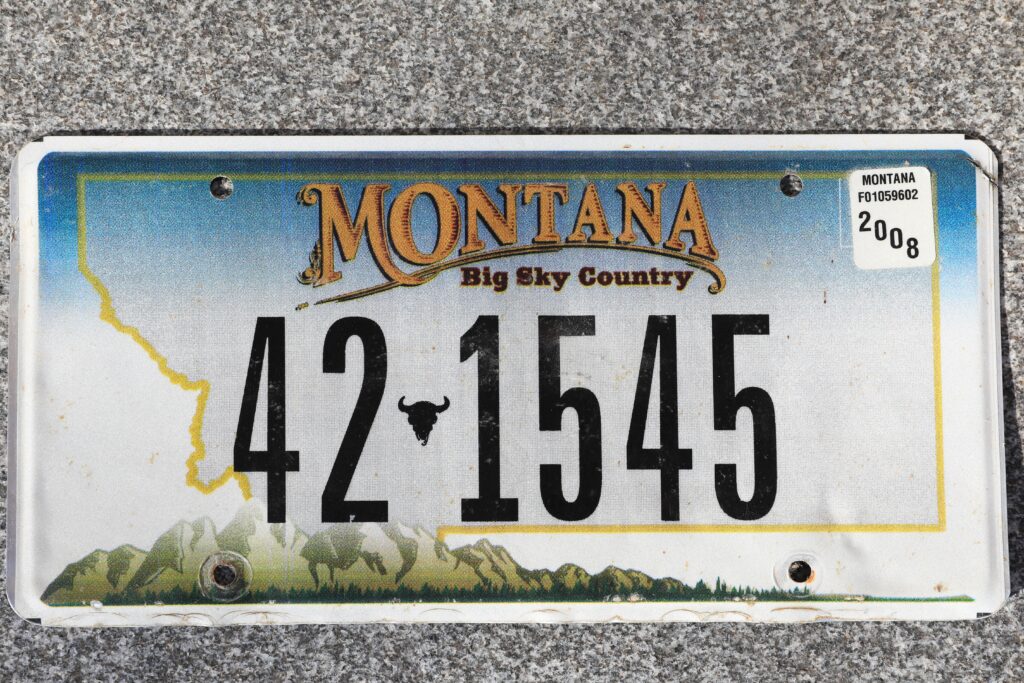
Take the Montana LLC strategy, for example. By establishing a limited liability company in Montana for roughly $1,000, buyers can register luxury vehicles without paying sales tax. This loophole has made Montana home to nearly 11,000 high-end vehicle registrations, from Ferraris to McLarens, despite the state’s sparse population of just over one million residents.
The numbers are telling: Montana has the highest per-capita vehicle registrations in the United States—more than double California’s rate. This anomaly isn’t because Montanans need more cars; it’s because wealthy buyers from other states are exploiting the system.
The Growing Legal Backlash
State governments are fighting back against tax avoidance schemes with increasing determination and sophisticated tools. Recent legislative actions demonstrate how seriously authorities take these violations.
Financial Penalties That Exceed Savings
States impose substantial penalties for improper registration that often surpass the original tax owed. California’s Department of Motor Vehicles actively investigates suspected cases, imposing back taxes, interest, and penalties that can reach tens of thousands of dollars—effectively negating any perceived savings.
Criminal Prosecution for Fraud
Tax evasion through improper vehicle registration isn’t treated as a minor infraction. Many states classify this behavior as criminal fraud, with penalties ranging from misdemeanor charges to felony convictions depending on the tax amount involved. These charges can result in permanent criminal records, probation requirements, and even imprisonment.
Asset Forfeiture and Impoundment
Vehicles improperly registered to avoid taxes face potential seizure by state authorities. Law enforcement officers can impound vehicles during traffic stops if they determine the registration violates state tax laws. Recovering impounded vehicles requires resolving all outstanding tax issues and legal complications.
Civil Enforcement Actions
State revenue departments can pursue civil lawsuits against tax evaders, demanding full payment of owed taxes plus significant penalties and interest. These legal battles require expensive representation and can drag on for years.
Advanced Detection Methods
Modern technology makes it nearly impossible to avoid detection when using improper registration schemes. States employ sophisticated methods to identify violations:
Automated License Plate Recognition: California uses extensive networks of plate readers that track vehicle movements and flag out-of-state registrations for vehicles primarily operated within state borders.
Cross-Database Analysis: Revenue departments can cross-reference vehicle registration data with insurance records, toll system usage, and driver’s license information to identify discrepancies.
Citizen Reporting Programs: Some states encourage residents to report suspected tax evasion, making community-based enforcement another detection method.
Interstate Data Sharing: States increasingly share information to identify vehicles registered inappropriately across jurisdictional lines.
Recent Legislative Crackdowns
Utah’s recent passage of bill SB52 represents a significant escalation in enforcement efforts. Governor Spencer Cox signed legislation specifically targeting Utah residents who register vehicles in Montana to avoid state taxes. The new law authorizes investigations that could recover up to $100 million in unpaid taxes and penalties.
This legislative trend is spreading. Other states are considering similar measures, potentially closing loopholes that have operated for years. The days of easy tax avoidance through strategic registration may be numbered.
Understanding State Registration Requirements
Most states require vehicle registration where the car is primarily used or stored, regardless of where it was purchased. Common requirements include:
- Residency Rules: If you live in a state, your vehicle typically must be registered there within a specified timeframe (usually 30-90 days).
- Usage Thresholds: Cars used primarily in one state must be registered there, even if temporarily stored elsewhere.
- Insurance Coordination: Vehicle insurance and registration must align, creating another verification point for authorities.
Some buyers attempt to circumvent these rules through storage arrangements, keeping vehicles in Montana for required periods before bringing them to their home states. However, enforcement agencies are wise to these tactics and actively investigate such arrangements.
The Professional Guidance Imperative
Given the complexity and evolving nature of vehicle registration and tax laws, professional consultation isn’t just recommended—it’s essential. Both legal and financial experts play crucial roles in ensuring compliance.
Attorney Consultation Benefits
Tax attorneys specializing in interstate commerce can provide invaluable guidance by:
- Clarifying specific state requirements for your situation
- Identifying legitimate tax reduction strategies
- Representing you if enforcement actions arise
- Ensuring all registration decisions comply with applicable laws
Accountant Expertise
Certified public accountants help by:
- Calculating true financial implications of different registration options
- Identifying legal tax exemptions or credits
- Structuring purchases to minimize tax burden legally
- Maintaining proper documentation for compliance
The modest cost of professional consultation pales in comparison to the potential penalties and legal fees associated with improper registration schemes.
Risk-Reward Analysis
The mathematics of tax avoidance through improper registration rarely work out favorably when all risks are considered:
Potential Savings: Even on expensive vehicles, tax savings typically range from $5,000 to $15,000.
Potential Costs: Penalties, back taxes, interest, legal fees, and other enforcement costs can easily exceed $50,000, not including the stress and time involved in legal proceedings.
Additional Consequences: Criminal charges can affect professional licenses, employment opportunities, and personal reputation in ways that far exceed any financial impact.
Legitimate Alternatives
Rather than risking legal trouble through improper registration, consider legal alternatives:
- Purchase Timing: Some states offer tax exemptions for certain types of vehicle purchases or specific buyer categories.
- Trade-In Credits: Properly structured trade-ins can reduce taxable amounts legally.
- Business Deductions: Legitimate business use may provide legal tax advantages.
- Manufacturer Incentives: Some rebates and incentives can offset tax burdens without legal risk.
Moving Forward Responsibly
The temptation to avoid vehicle sales taxes through registration schemes is understandable, given the significant amounts involved. However, the risks associated with these strategies have grown substantially as enforcement mechanisms become more sophisticated and penalties more severe.
Smart vehicle buyers recognize that short-term savings aren’t worth long-term legal and financial complications. By working with qualified attorneys and accountants, you can explore legitimate options for managing tax obligations while staying within legal boundaries.
The landscape of tax enforcement continues evolving, with states dedicating more resources to identifying and prosecuting violations. What might have been overlooked in the past now receives serious attention from revenue departments equipped with advanced detection tools.
Before making any decisions about vehicle registration and tax planning, invest in professional guidance. The peace of mind that comes from knowing you’re in full compliance with all applicable laws is worth far more than any potential tax savings achieved through questionable means.
Remember: when it comes to tax compliance, there are no shortcuts that don’t eventually lead to bigger problems. Choose the path of legal certainty over risky tax avoidance schemes.
Still have questions or concerns?, Consult with Law 4 Small Business to learn more.
Law 4 Small Business (L4SB). A Slingshot company. A little law now can save a lot later.